
Popular Foundation Reinforcement Products for Stability and Durability
Explore proven materials and tools that help reinforce and stabilize your foundation for the long term.
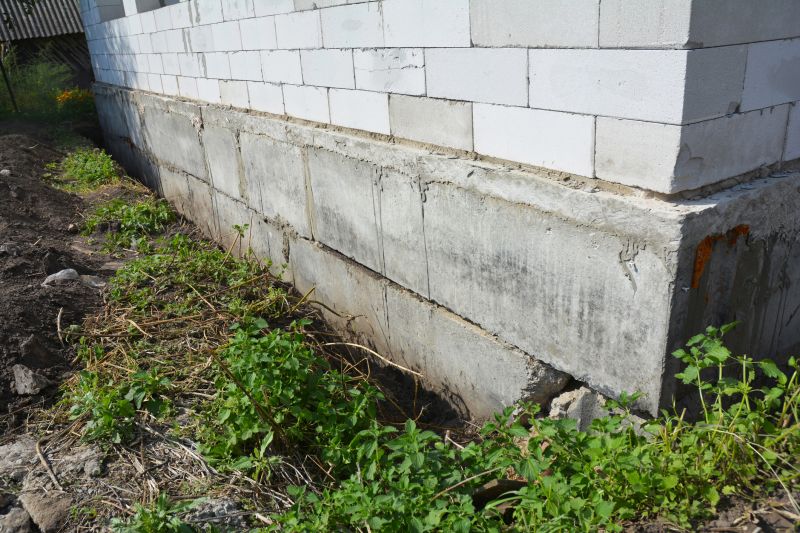 Foundation issues can pose significant challenges for homeowners, especially in areas prone to shifting soil or moisture fluctuations. When addressing foundation concerns, selecting appropriate repair products is essential for ensuring stability and safety. Various products are designed to work with different types of foundation problems, including cracks, settling, or shifting. It is important to understand the specific needs of a foundation before choosing repair solutions, as each product type offers unique benefits and applications.
Top Overall Option
Polyurethane Foam Injection System
Polyurethane foam injection systems are versatile and widely used for addressing minor to moderate foundation settling and cracking issues. They work by expanding beneath the foundation to lift and stabilize the structure, providing a non-invasive solution that can be applied with minimal disruption. These systems are suitable for filling voids and sealing cracks, helping to prevent water infiltration and further deterioration. Proper application by experienced professionals can enhance the longevity of the repair, making it a popular choice for many homeowners and contractors alike.
Types of Products For Foundation Repairs
Carbon Fiber Reinforcement Straps
Used to reinforce cracked or bowing walls, these straps provide additional strength and help prevent further movement.
Steel Push Piers
Designed to lift and stabilize sinking foundations by transferring the load to stable soil beneath.
Helical Piers
Ideal for deep foundation stabilization, these piers are screwed into the ground to provide support for settling structures.
Mudjacking and Slab Jacking
A method that involves injecting a grout mixture beneath concrete slabs to lift and level sunken areas.
Polyurethane Foam Injection
A versatile foam used to fill voids, lift slabs, and seal cracks in foundations.
Concrete Crack Repair Kits
Products designed to seal and reinforce cracks in foundation walls and slabs.
Soil Stabilization Products
Materials used to improve soil compaction and reduce shifting that can affect foundations.
Waterproofing Membranes
Applied to foundation walls to prevent water intrusion and reduce hydrostatic pressure.
Epoxy Injection Systems
Used for sealing and restoring structural integrity of cracked concrete and masonry.
Anchor Bolts
Fasteners that secure foundation walls to resist lateral movement.
Underpinning Systems
A broad category including various methods to extend and stabilize a foundation's support.
Drainage Improvement Products
Components such as French drains and sump pumps to manage water around the foundation.
Vapor Barriers
Installed to reduce moisture migration through foundation walls and slabs.
Foundation Bolts and Anchors
Hardware used to reinforce and secure foundation components.
Grout and Mortar Patches
Materials for filling and sealing small cracks and holes in concrete structures.
Popular Choices
Widely used for quick and minimally invasive foundation lifting and crack sealing.
Commonly selected for stabilizing sinking foundations with deep support.
Popular for strengthening cracked basement walls and preventing further bowing.
Frequently chosen for leveling sunken concrete slabs efficiently.
Often used for sealing cracks and restoring structural integrity.
Commonly installed to improve drainage around foundations.
Popular for removing excess water from basements and crawl spaces.
Frequently applied to basement walls to prevent water intrusion.
Chosen for deep foundation support in areas with shifting soils.
Commonly used in conjunction with other waterproofing methods.
Popular for securing foundation walls against lateral forces.
Used for small repairs and crack filling in concrete surfaces.
Selected for improving soil consistency beneath foundations.
Frequently installed during repairs to reinforce structural connections.
Used as part of drainage systems to facilitate water movement away from foundations.
In Lapeer, MI, where soil conditions and weather patterns may influence foundation stability, homeowners and contractors often turn to a range of repair options. Proper assessment by a foundation specialist can help determine the most suitable products for each situation. From structural reinforcements to sealing solutions, there are many options available that can help mitigate ongoing issues or stabilize a compromised foundation.
The effectiveness of foundation repair products depends on correct installation and compatibility with the existing structure. While some products are designed for DIY use, many require professional expertise to ensure proper application and long-term performance. Regular inspections and maintenance can also extend the lifespan of repairs, helping to prevent further damage.
Ultimately, choosing the right products for foundation repair involves understanding the specific problem, soil conditions, and the type of foundation involved. Consulting with local experts in Lapeer, MI, can provide valuable insights tailored to regional challenges. Properly selected and installed products can contribute significantly to maintaining the integrity of a home’s foundation over time.
Key Buying Considerations
- Assess the specific foundation issue, such as cracking, settling, or bowing, to select appropriate products.
- Understand the soil conditions and moisture levels around your property to determine suitable solutions.
- Consider whether the repair requires a temporary fix or a long-term stabilization method.
- Evaluate the compatibility of repair products with the existing foundation materials.
- Determine if professional installation is recommended or if a DIY approach is feasible based on your skill level.
- Review the product’s installation requirements, including tools, time, and expertise needed.
- Check for product warranties or guarantees that support durability and performance.
- Consider the potential impact on your property’s landscaping and access during repair work.
- Research local building codes and regulations in Lapeer, MI, to ensure compliance.
- Compare costs and benefits of different repair methods to find the most suitable option within your budget.
- Think about ongoing maintenance needs to preserve the effectiveness of the repair products.
- Look for products with good reviews and proven track records in similar soil and foundation conditions.
- Assess the availability of replacement parts or additional supplies if future repairs are needed.
- Consult with local foundation specialists to get tailored recommendations based on regional challenges.
- Consider the environmental conditions that could influence the longevity of the repair solutions.